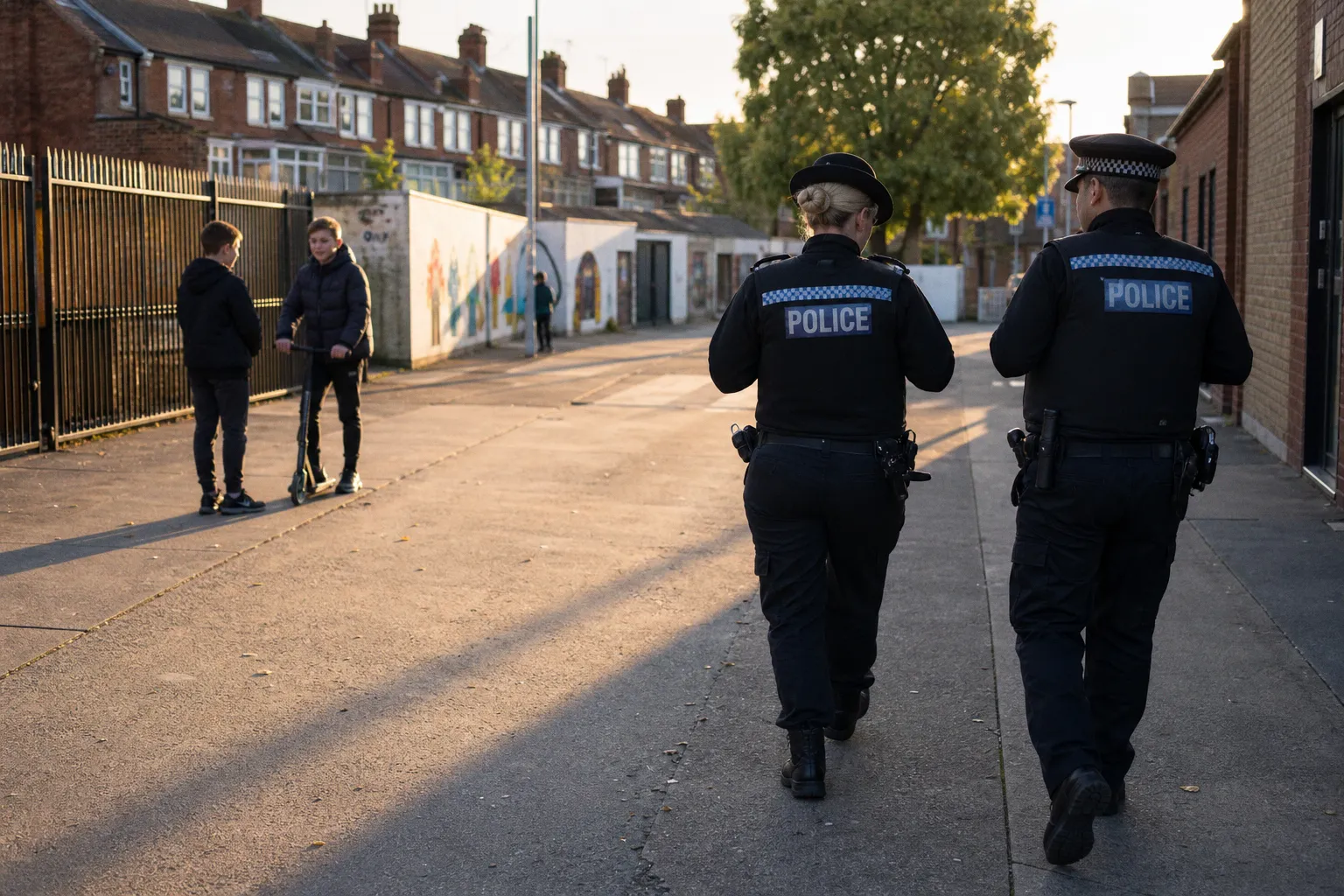
The issue matters beyond the technology itself: residents need clear answers about how such systems are controlled, what safeguards apply, and who is accountable when things go wrong. The material does not announce a new facial-recognition deployment in North East Lincolnshire, but it gives local communities a useful standard against which future policing proposals should be judged.
Trust is not a communications exercise
Facial recognition is not simply another piece of police equipment. It involves the handling of personal data and can affect people who are stopped, questioned or wrongly identified. That makes governance part of public safety, not paperwork sitting behind the operation.
The ICO’s focus is therefore important. Any police force discussing facial recognition should be able to explain the purpose of its use, the legal and data-protection arrangements behind it, and the safeguards designed to protect the public. Residents should not have to rely on broad assurances or police PR language. They should receive straight answers in plain English.
That is especially relevant when new technology is presented as a way to prevent or detect crime. The case for using it must be matched by a clear account of its limits and risks. A visible police presence still depends on public confidence. If people do not understand how a system operates, or do not believe mistakes will be dealt with properly, community intelligence suffers.
What residents should look for
For communities in Grimsby, Cleethorpes and Immingham, the practical question is not whether facial recognition sounds modern. It is whether any proposed use would be transparent, proportionate and properly supervised.
Residents should look for several basics in any future announcement:
- the policing purpose being claimed;
- the data-protection governance supporting the operation;
- the safeguards for people who are not involved in crime;
- the process for challenging or correcting an apparent mistake;
- and the named body responsible for oversight and accountability.
Those are not unreasonable demands. They are the minimum information needed for residents to understand how a policing initiative may affect public spaces and everyday life.
The ICO’s headline is also a reminder that accountability must be established before deployment, not improvised after a complaint. A force that wants public support should be prepared to publish clear policies, explain its decision-making and show how concerns will be handled.
The local test is simple
There is no confirmed evidence in the supplied material that North East Lincolnshire police are introducing facial recognition. That distinction matters. We should not turn a national policy and governance discussion into a claim about local operations.
But if the technology is proposed locally, residents and councillors should ask for the detail early. Which data-protection controls are in place? What oversight exists? How will the public be informed? What happens when the system is wrong?
Those questions are not opposition to policing. They are part of responsible neighbourhood policing. Officers need the tools to prevent and detect crime, while residents need confidence that those tools are used lawfully and with proper safeguards.
The standard should be straightforward: a visible presence on the beat, sound community intelligence and clear accountability behind every new system. Where the explanation is vague, residents should ask for more detail—and report concerns through the appropriate police or council channels rather than allowing uncertainty to fill the gap.