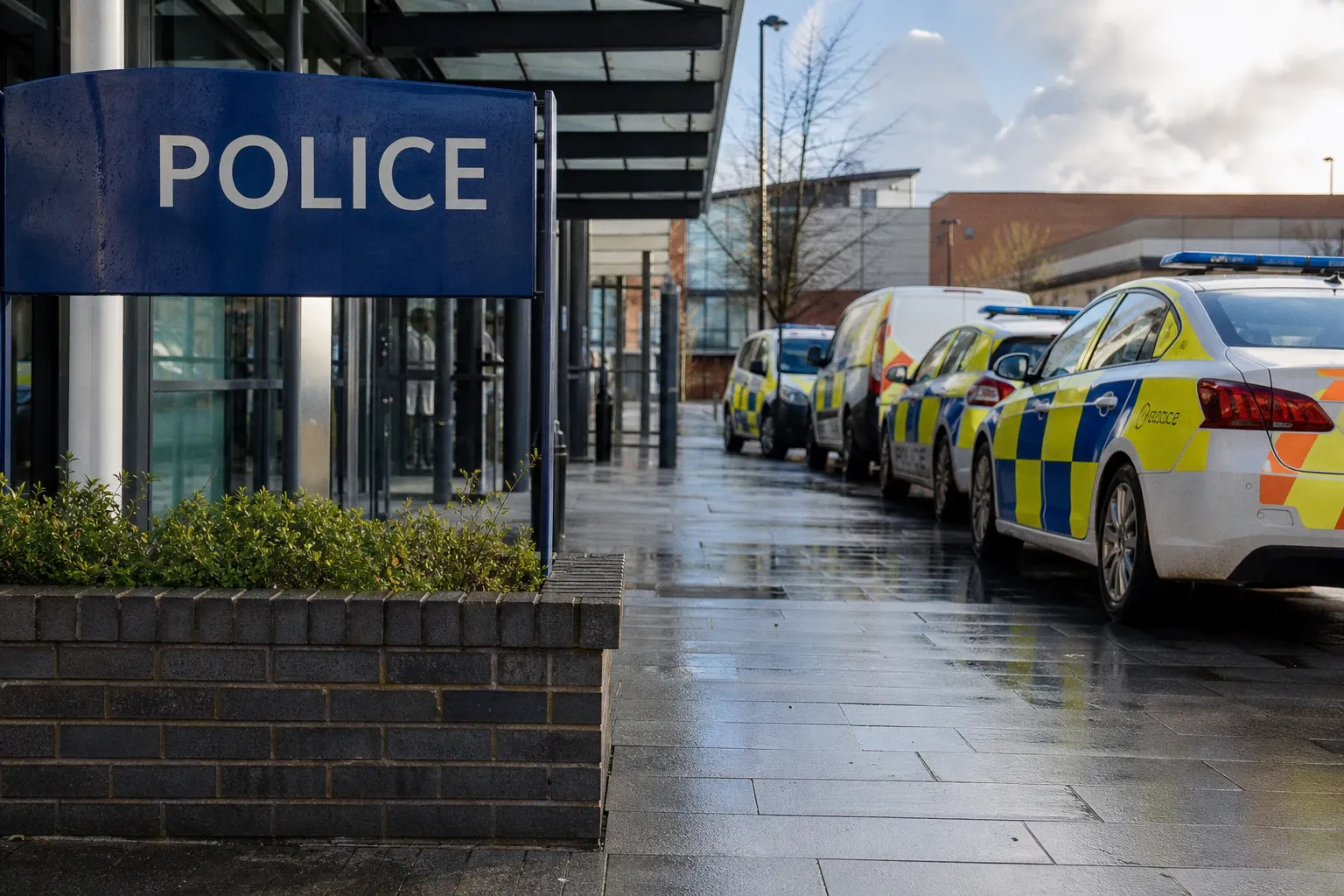
According to an updated GOV.UK consultation, the UK government is examining how police and other law enforcement agencies access driver information held by the Driver and Vehicle Licensing Agency (DVLA). The proposal considers whether police systems should be able to automatically match or compare DVLA data during investigations. For residents in North East Lincolnshire, the important point is that this is a consultation about the legal framework and safeguards—not an announcement of unrestricted access or a confirmed local rollout.
A faster route to information, but not a free pass
The information under discussion is driver-licensing data held by the DVLA. That can include a person’s name, address, date of birth, licence status and related licensing records.
At present, access is controlled through the Law Enforcement Data Service, with use limited to authorised people and permitted policing or law enforcement purposes. Where automated access is unavailable or unsuitable, information can also be requested manually on a case-by-case basis.
The government says current arrangements can sometimes produce delays, inconsistencies and uncertainty. Police and law enforcement organisations have raised particular concerns about situations where information is needed urgently for safeguarding or serious criminal investigations. The proposed change would explore whether automated matching or comparison could help systems identify relevant information more efficiently.
That may sound technical, but the public-interest question is straightforward: how quickly can officers obtain information when there is a lawful need, and how clearly is that access controlled?
What the consultation does—and does not—mean
The consultation concerns driver-licensing information, not unrestricted access to every record held by the state. The GOV.UK material states that any access would remain subject to legal requirements, operational controls, governance arrangements and safeguards for personal information.
The stated lawful purposes include protecting the public, safeguarding vulnerable people, locating individuals where appropriate, investigating crime and supporting road-traffic enforcement. Those are broad functions, which makes oversight especially important. A system that can compare data automatically may reduce administrative delay, but it also needs clear rules about who can use it, when access is justified and how misuse is identified.
The government says it is reviewing whether the existing arrangements remain suitable in light of changes in technology, operational practice and public expectations around transparency, accountability and data protection. It is also asking whether the proposed safeguards would be sufficient and effective.
That distinction matters on the beat. A consultation is an invitation to examine and improve the framework. It is not evidence that officers in Grimsby, Cleethorpes or Immingham now have a new automatic search capability, and the material available here does not confirm any specific local implementation.
What residents should watch for
Residents should look for straight answers on four points as the process develops:
- what legal threshold must be met before driver data is accessed;
- which users and agencies will be authorised;
- whether every automated search is recorded and reviewable;
- what action follows when access is unnecessary, excessive or improper.
Those details will tell us more than the technology label. Faster access can support investigations and safeguarding, but speed cannot replace necessity, proportionality or accountability.
For local communities, the practical issue is therefore not whether police should use information lawfully available to them. It is whether any expanded or automated access comes with a visible chain of responsibility: clear authorisation, proper records, effective oversight and consequences for misuse. Until those details are settled, residents should treat this as a national policy review to follow—not as a finished policing change on their streets.