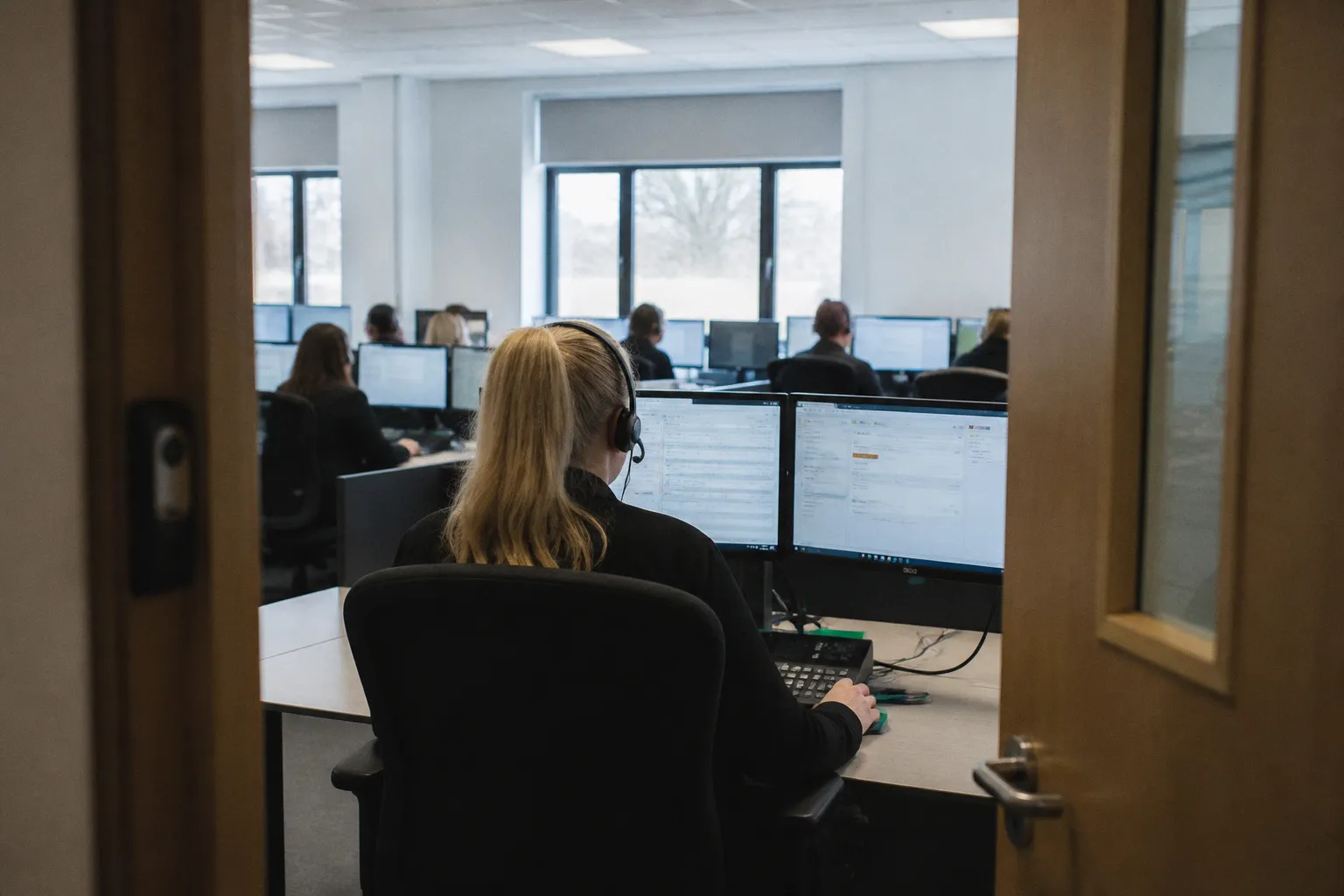
The system has already been trialled in 15 police forces, with South Yorkshire Police using it from 18 August. For residents across North East Lincolnshire, the important point is straightforward: this is intended to get genuine police matters through faster, but it is not a replacement for judgement, reassurance or a human call handler.
What the system is meant to do
The software uses an AI model to identify why someone is calling 101 and match that reason to a likely service. If the matter is clearly for another organisation, the caller can be redirected before entering the police queue.
That matters because the 101 service receives about 20 million calls nationally each year. The Home Office says around 20%—approximately four million—are for organisations outside policing, including local councils, NHS 111 and the 105 power-outage helpline. Police also report receiving nuisance calls about matters such as delayed food deliveries, slow pub service and requests for lifts.
Those calls may sound trivial, but the practical consequence is not. A call handler dealing with an issue that belongs elsewhere is not available to assist someone reporting a crime, raising a safeguarding concern or seeking help after becoming a victim.
The scheme is backed by £1.4 million in government funding. The Home Office estimates it could save policing up to £8.5 million a year, with forces able to put those funds towards local priorities. That is an estimate, not money already released to Humberside Police or any other force.
The safeguards residents should understand
The system is not supposed to make a silent decision and send people away. Callers are told how it has understood the reason for their call and must accept or reject that interpretation. Where the reason is broad or unclear, additional safeguarding questions are asked.
If the system is in doubt, the call is passed directly to police. Callers will also still be able to speak to a handler if they wish. The Home Office says the software has been trained and tested to assess whether accents and different ways of phrasing a problem affect performance. During trials, it diverted issues including damage-only road traffic incidents, fly-tipping and noise complaints to the appropriate agencies.
That reassurance needs to be tested in practice. Community intelligence is not just about the number of calls answered. It is also about whether residents can explain what has happened, whether vulnerable people are treated properly and whether the right agency receives the information without delay.
The current 999 system has not changed. This announcement concerns non-emergency 101 calls. Anyone facing an immediate threat or situation requiring an urgent police response should continue to use the emergency route.
What this means locally
There is no confirmed information in the announcement that the system is already operating in North East Lincolnshire, or that Grimsby, Cleethorpes and Immingham will use it in exactly the same way. The Home Office says the way it is deployed may vary between forces, depending on the telephone menu services already in place.
Residents should therefore look for clear communication from Humberside Police before assuming that a new menu, automated question or redirection is evidence of a local rollout. The force should explain when the system is active, which types of calls may be redirected and how residents can reach a person if the automated assessment does not reflect the situation.
The test for this technology is not whether it sounds modern. It is whether people reporting real harm get a visible, dependable response—and whether police can show that time saved is being converted into more capacity on the beat. Residents who encounter confusion, an inappropriate diversion or difficulty reaching a handler should record what happened and report it through the force’s established feedback channels. Straight answers will matter as much as shorter queues.