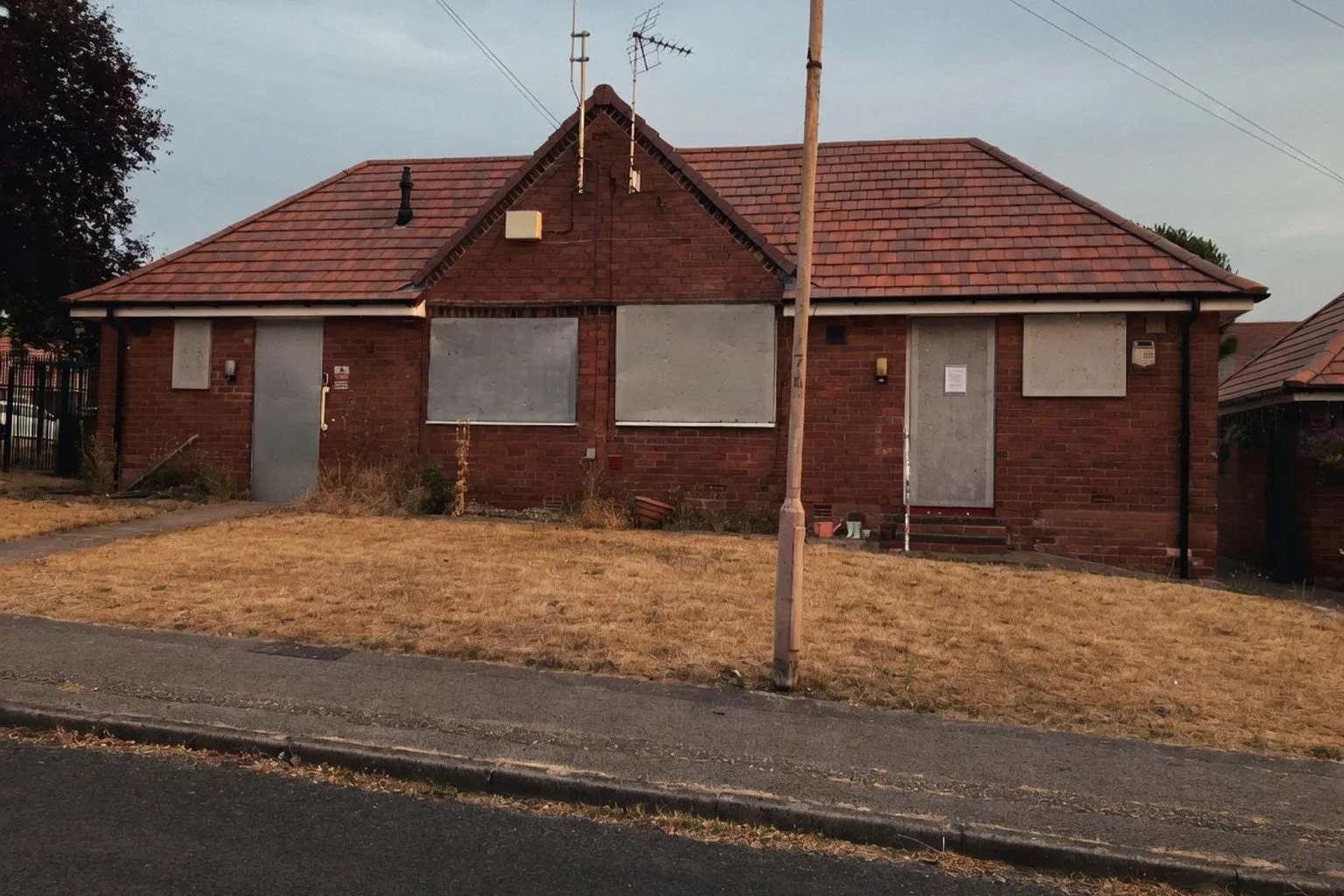
Mansfield District Council, working with Nottinghamshire Police, has secured a full closure order on a property on Chadburn Road after evidence mounted of persistent anti-social behaviour and criminal activity troubling the surrounding community. The case is the third of its kind in Mansfield in seven months, and it lands as a reminder that the tools exist — the question is whether they are being used on the streets our readers actually walk.
Closure orders: the instrument, and what it actually does
For anyone unfamiliar with what a closure order means on the ground, it is not a slap on the wrist. It prohibits access to the property and gives enforcement agencies the power to move against anyone defying it. The council said the Chadburn Road address had been linked to ongoing nuisance, disorder and criminal activity with a significant negative impact on neighbouring households, and that further investigation of the tenants is being pursued.
The approach followed two earlier closure orders Mansfield secured in January using new powers to repossess properties tied to anti-social behaviour and criminality. Councillor Anne Callaghan, the council's housing portfolio holder, put it plainly enough: "This Closure Order demonstrates our determination to take firm action where criminal activity and serious anti-social behaviour are affecting our communities." That is the language of a council that has stopped asking politely. Residents who have watched the same house cause the same problems for years will recognise just how rare that tone still is.
What the North East Lincolnshire picture looks like
There is no Mansfield-shaped answer sitting in Grimsby, Cleethorpes or Immingham by default. Closure orders and similar property-level powers are available to local authorities in partnership with Humberside Police, but the trigger is always the same: documented reports, evidence the harm is ongoing, and a community willing to be named on file. Without that paperwork chain, the door stays open.
Residents who have been told for months that nothing can be done should ask for straight answers rather than accept silence. Which powers has the council considered? What evidence is still needed? Has the case been discussed with the neighbourhood policing team on the beat? Those are the questions that turn a frustrating complaint into a file an authority can actually act on. Visible presence matters, but so does visible paperwork — and the second is what gets a closure over the line.
What to do this week
If an address on your street is the apparent source of repeated disorder, write it down with dates, times, and any photographic or video evidence, and pass it through the official channels — the neighbourhood policing team for the criminal side, the local council for the housing and environmental side. Keep a personal log even after the first report; community intelligence is built on patterns, not single incidents. As the Mansfield case shows, sustained reporting is what builds the picture a closure order rests on. One phone call is a whisper. A file is a result.