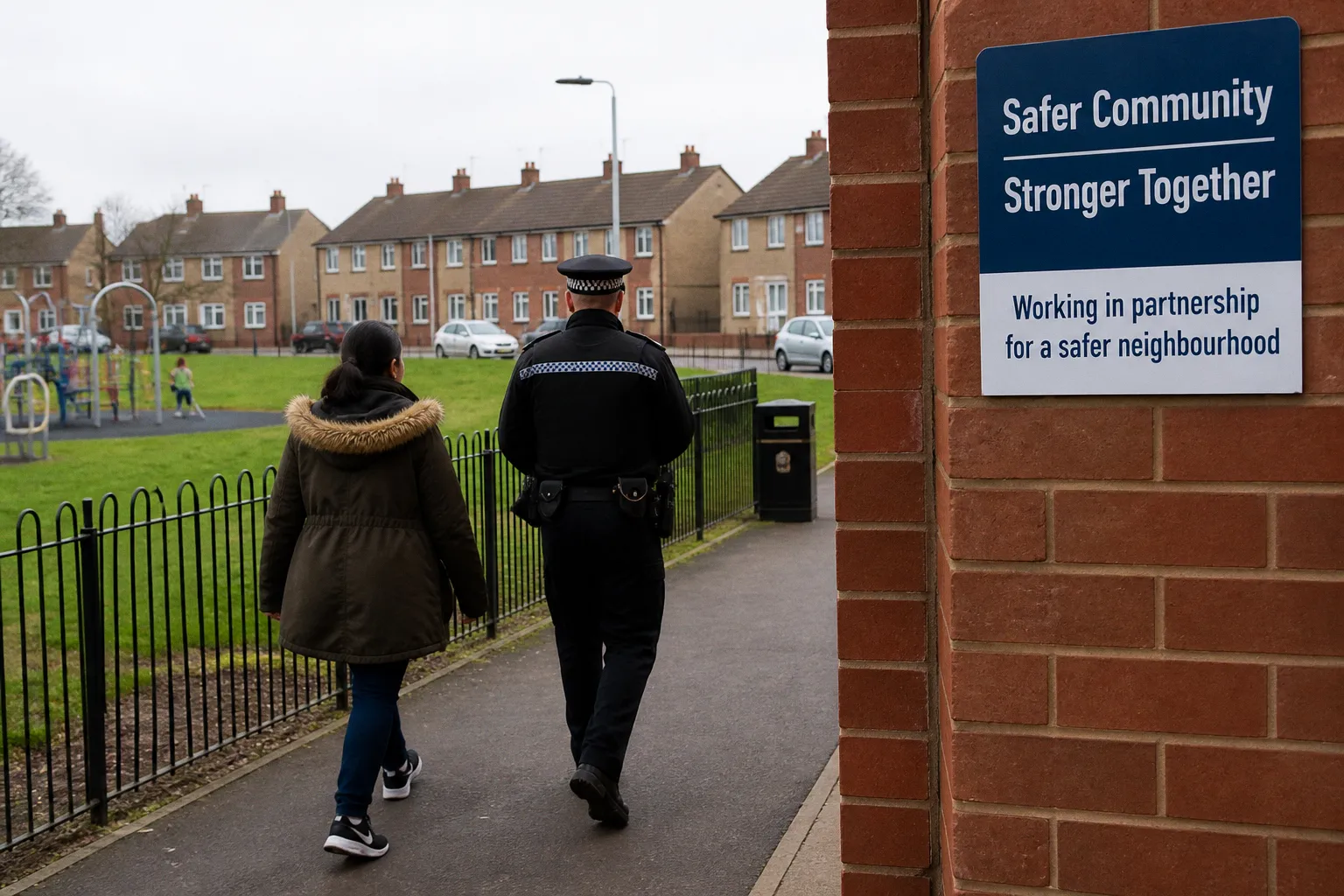
Bunnings launches Safer Places initiative in response to community safety concerns
The programme is not presented as a North East Lincolnshire scheme, but its practical focus will be familiar to residents in Grimsby, Cleethorpes and Immingham: improving visibility, strengthening everyday security and building the neighbour-to-neighbour connections that help communities respond together.
A grant programme built around practical improvements
Following an initial launch in Victoria, Bunnings says Safer Places will fund safety improvements and community programmes, with applications opening first in Victoria before expanding nationally later in 2026. Local community groups and organisations are being encouraged to apply for grants of $5,000, while larger projects can seek $30,000.
The funding is linked to eligible security cameras and video doorbells purchased at Bunnings. Until February 2027, unless the offer is extended, each qualifying Arlo, Eufy, Orion, Reolink or Swann product will contribute $2 to the grants programme.
That structure is significant because it connects individual spending with a wider collective effort. Instead of treating home security as a purely private concern, the initiative directs part of that activity towards shared spaces, community facilities and locally led projects. For neighbourhood groups, the useful question is not simply whether new equipment is available, but whether a modest investment could improve lighting, visibility, access control or the condition of a place people already use.
The company’s research, as reported by the magazine, found that safety considerations are increasingly shaping everyday life in Australia. It also identified cost as the biggest barrier for 38% of respondents who wanted to improve safety around their home or neighbourhood, while others were unsure where to begin or which changes would have the greatest impact.
Why the local connection matters
North East Lincolnshire residents should not assume that the Australian grants are available here. The published details refer to Bunnings’ Australian programme, with no confirmed UK application route in the evidence available for this report.
There is still a useful lesson for local partnerships. Safety initiatives are often strongest when they begin with a clear, manageable task and bring several parts of a community to the same table: residents, voluntary organisations, businesses, neighbourhood groups and policing teams. Bunnings says its events in October 2026 will connect customers with community groups, Neighbourhood Watch and local police to share home-safety advice and practical ways to improve security.
The emphasis on connection also reflects the comments attributed to Neighbourhood Watch Australasia chief executive Selina Otto. The advice described in the report is straightforward: secure doors and windows, improve visibility, reduce hiding places, stay connected with neighbours and report suspicious behaviour.
For a community-safety audience, that is an important balance. Physical measures can make a place easier to see and use, but they work alongside trusted relationships rather than replacing them. A safer street is usually the result of repeated, shared attention: people noticing changes, communicating clearly and supporting improvements that benefit more than one household.
What local groups can check next
Community organisations in Grimsby, Cleethorpes and Immingham considering a similar project should start by defining the specific problem they want to address. Is the concern poor visibility around a facility, an unsecured entrance, a neglected shared area or a lack of clear advice for residents? A focused proposal is easier to discuss with potential partners than a broad request to “make the area safer”.
Groups should also check whether any future funding call is open to them, who is eligible to apply and whether the money can be used for equipment, maintenance, volunteer activity or community events. The Bunnings announcement shows the value of publishing clear grant amounts and linking funding to practical outcomes, but it does not confirm that the same model will be introduced in the UK.
For now, the most constructive step is local coordination: speak with neighbouring residents, community organisations and relevant local contacts, record the specific safety issue, and look for an improvement that can be maintained after any initial funding ends. That grassroots preparation is often where resilience begins—long before a new grant programme reaches the doorstep.