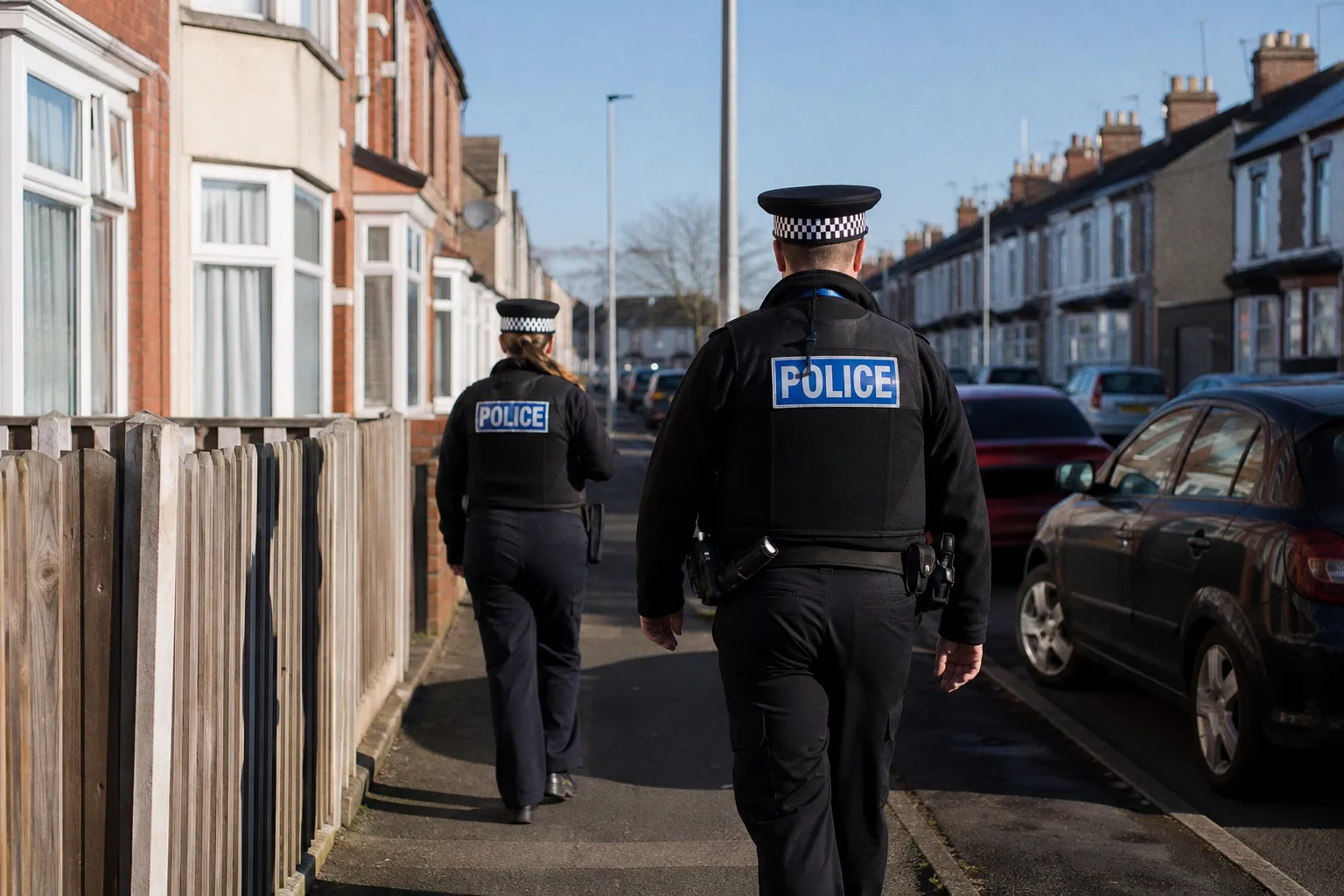
According to the force, the exercise was about visibility and face-to-face conversation with residents about local safety concerns — the kind of grounding work residents rarely see in a press release, and the kind that matters most when nothing dramatic is happening. For people living between Sutcliffe Avenue and the surrounding streets, this is precisely the on-the-beat presence they have been asking for.
What actually happened on the walk
A patch walk, in plain terms, is not a raid and not a spectacle. Officers move through a defined slice of their ward, on foot, at a pace that allows them to notice what locals already know — the burnt-out car that has sat for a fortnight, the alley lamp that has been dark since the spring, the garden wall that doubles as a shortcut for people with no business on the street. According to Humberside Police, the South Ward team used the Sutcliffe Avenue walk to raise their visible presence and to speak directly with residents about safety in the area. That second half is the part worth holding onto. A visible officer is a short-term reassurance; a recorded conversation between an officer and a resident is something the ward team can carry back to the station and act on.
The initiative sits inside the wider neighbourhood policing model, where small teams are supposed to know the streets, the regulars, and the recurring problems well enough to intervene before issues escalate. It is a sound idea on paper. Whether it translates into Nunsthorpe depends on whether officers return, and whether the concerns raised on this walk are visibly followed up.
What this means for residents on the ground
For anyone who lives within the South Ward boundary, the practical question is not whether the police showed up once. It is whether the team now knows what to do with what residents tell them. If an officer stopped you on Sutcliffe Avenue and asked about your street, that is your opening — and it is worth using clearly. Name the specific problem: the time of day it happens, the exact spot, and what you have already tried. Vague concerns tend to drift; precise ones get logged and reviewed.
Residents who want to keep their own intelligence useful should treat patch walks as a two-way channel rather than a courtesy call. Officers can only escalate what they can document, and a pattern on one street reads very differently in a briefing when three households have reported it the same week.
How to keep the team honest after the walk
Visibility without follow-through is the fastest route to cynicism on an estate, and Nunsthorpe residents have every reason to be watchful. If you shared a concern during the walk or since, push for a straight answer on what has been done with it — logged, referred, parked, or ignored. The neighbourhood policing model only earns its keep when the conversation continues after the officers have walked back to the car.
Anyone with ongoing concerns about their street, whether or not they spoke to the South Ward team this time, can pass information directly to Humberside Police through the force's usual reporting channels. Community intelligence works best when it is treated as an ongoing exchange, not a one-off chat on the pavement.