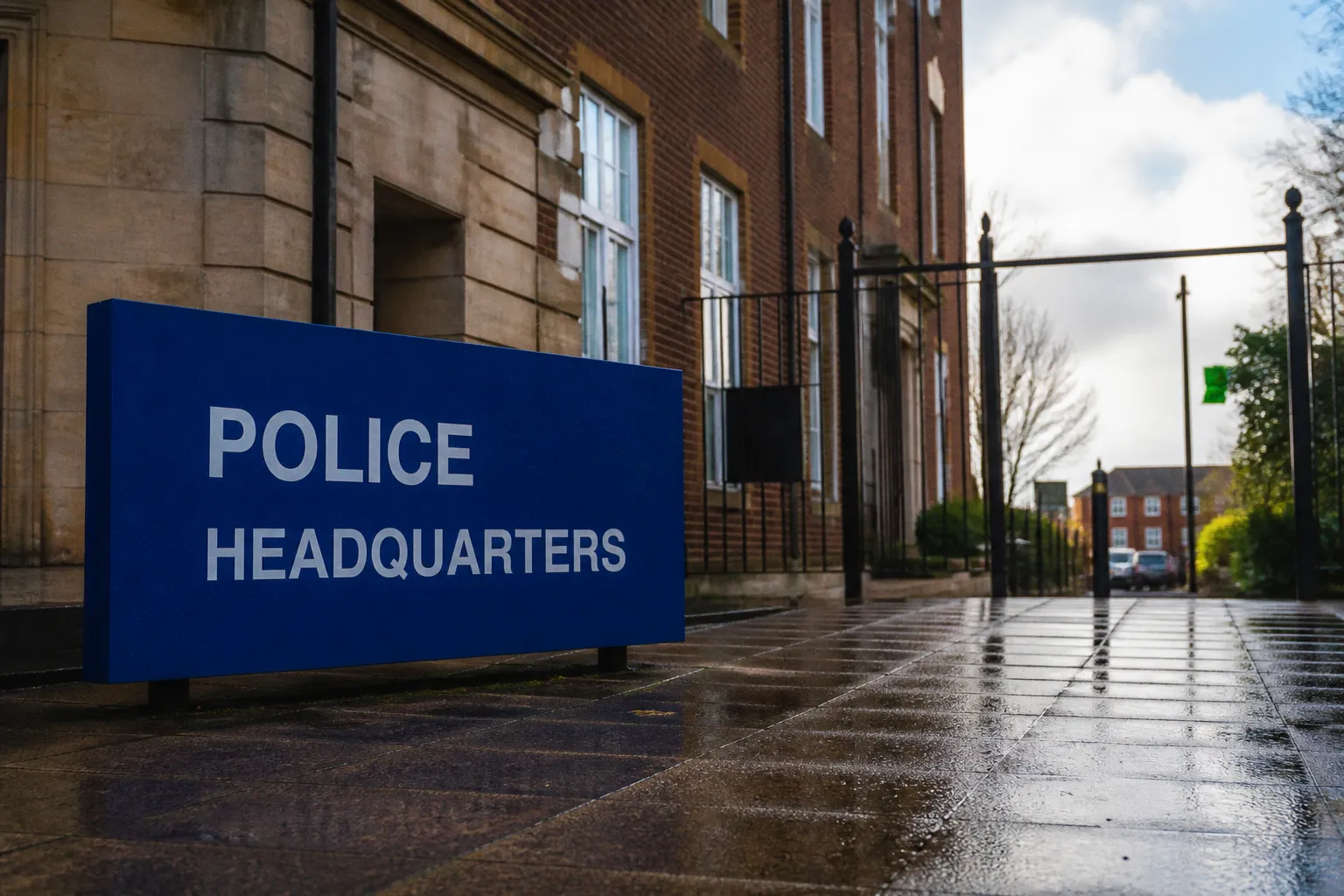
A national inspection of how police handle firearms licensing has landed this week, and while the headlines sit with chief constables in distant offices, the practical questions it raises belong squarely on neighbourhood watch agendas from Grimsby to Cleethorpes to Immingham. HMICFRS — the inspectorate that keeps watch on policing standards across England and Wales — has now published its review of firearms licensing, with the published findings pointing to operational matters across forces and setting out recommendations for improvement. For residents who have asked, calmly and for years, how thoroughly a neighbour's shotgun or firearm certificate is checked before it is granted, this is the national conversation that quietly sets that standard.
What the inspection covers
The review runs across every police force in England and Wales and turns a critical eye on firearms licensing — the work that decides who holds a licence, how thoroughly those decisions are made, and under what conditions firearms sit inside ordinary streets like ours. North East Lincolnshire sits within the Humberside Police area, which means local licensing decisions are part of this same national frame. The published report points to operational matters and recommendations for improvement, the language the inspectorate uses when practice on the ground needs tightening.
Why this is a neighbourhood watch issue
Licensing only holds up if residents trust it. Every force relies on the kind of community intelligence that surfaces when something looks wrong on the street — a household where storage is off, a licence that should never have been granted, a renewal that appears to have slipped through without proper scrutiny. An inspection flagging operational gaps across forces is, in practice, an invitation to residents to weigh in with what they actually see. That is the side of policing where neighbourhood watch has always done its most useful work, and it is exactly the side this report touches.
Where residents come in
The practical questions are local: which recommendations Humberside will take forward, how visibly, and on what timetable. If you have a specific concern about a firearm licence in your street — improper storage at a property, a household that does not look right, a renewal that ought to have been refused — that information belongs with Humberside Police through proper channels, not parked in a neighbourhood WhatsApp or passed along as gossip. At the next local policing meeting, ask the force, in plain language, how it is responding to the report's recommendations. The inspectorate can flag the gap; residents are the ones who keep the pressure on until it closes. That is how accountability actually works at street level.