National Night Out returned to American communities this month, and according to a DVIDS report from Aberdeen Proving Ground, Maryland, the annual event — running since 1984 — keeps things tangible: giveaways included firearm locks and vehicle window-breaker tools, alongside back-to-school supply drives and a military working-dog demonstration. For Grimsby, Cleethorpes and Immingham the interest is not the American calendar but the template — and whether local policing here treats community engagement as something to plan for, or as a backdrop for a photograph. What a good evening looks like in practice, and what residents here should be asking their own teams for, is worth setting out plainly.
What a credible community evening looks like
The strongest versions of these nights share a few features worth borrowing. There is a clear crime-prevention hook — locks, property-marking kits, bike-registration forms — not just free biscuits. There is a named officer or coordinator who has put the work in months ahead; at APG, planning began in January, according to the report, which is the kind of lead time that turns a photo opportunity into something useful. And there is a children's element that is not an afterthought: book-bag collections, spin-the-wheel games, demonstrations children remember.
Sgt. Latrina Brown of the APG Police Department, who organised her ninth such event, told the publication she wanted to "build a positive relationship with the community while showcasing the valuable resources available on the installation," and that the night was also about "highlighting crime prevention and building trust." Officers at the base, the report notes, use foot patrols as an opportunity to engage with the community — sometimes playing basketball, teaching bike skills, drawing a smiling sun in chalk on a driveway. That is what visible presence should mean in practice: a marked pair of trainers on the pavement, not a patrol car rolling past at thirty miles an hour.
What residents here should be asking for
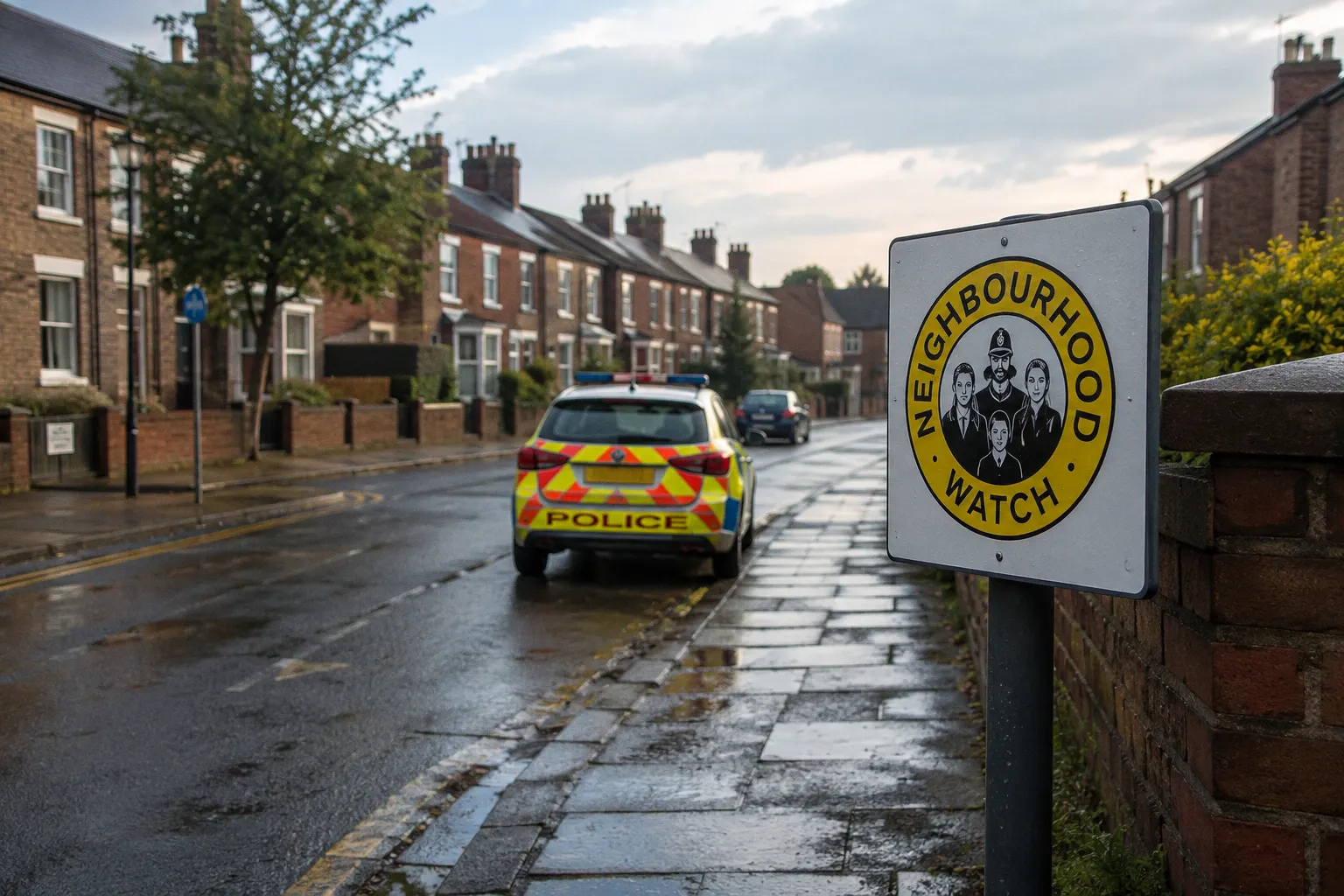
If your street already has a Neighbourhood Watch group — or you have been meaning to start one — this is the right moment to table a concrete proposal with your local policing team. Ask for a date before the clocks change. Ask whether a crime-prevention officer can attend with property-marking kits and lock advice rather than just leaflets. Ask what intelligence flow goes both ways: what residents report, and what officers feed back when something is acted on.
Straight answers on those three points will tell you whether the engagement on offer is real, or just a banner over a folding table. On the beat is where community intelligence is built — and it is built months before the event, not on the night itself.