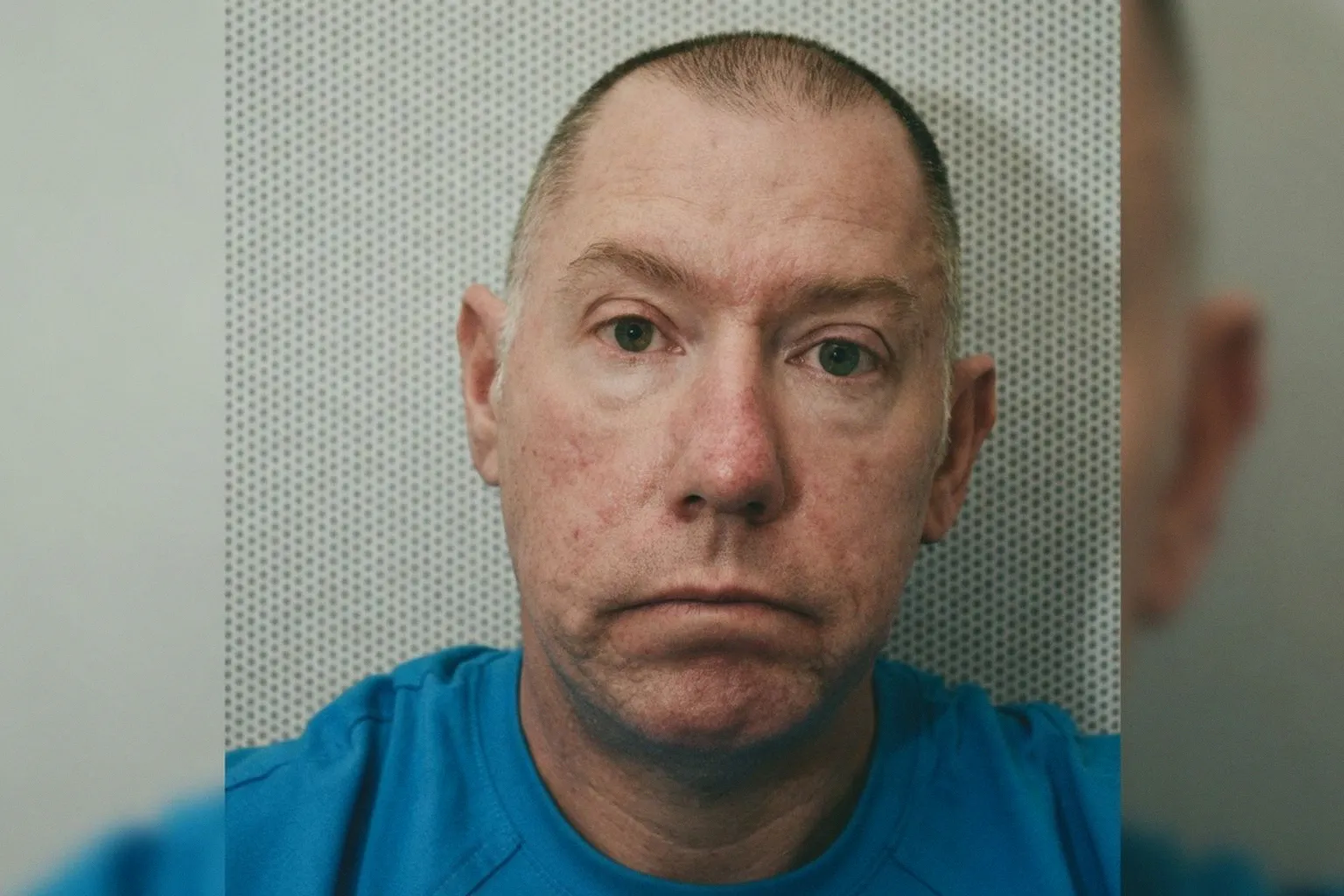
"At this stage, we've got no evidence to suggest that is the case." That was Assistant Chief Constable Lynn Ratcliff's answer, in July, when the BBC asked whether Police Scotland had missed red flags about one of its own officers. A month later, BBC Disclosure has spelled out exactly what was on PC Alan Greer's file — and exactly what vetting staff knew before they handed him a warrant card in 2009. Greer took his own life in May while under investigation for offences stretching back to 2012; Police Scotland has since linked him to attempted murders and serious sexual assaults, including the rape of a vulnerable woman hours after he met her on duty. None of this unfolded in North East Lincolnshire, but the questions about vetting, oversight and straight answers from senior officers land on every neighbourhood policing team — including the one on our beat.
What vetting knew in 2009
According to the BBC, Greer's history was on the radar long before he joined the force. Strathclyde Police investigated him in 2002 for making inappropriate phone calls to a woman in Glasgow; the case was reported to the procurator fiscal but no action followed. In 2005, the Metropolitan Police issued Greer with a formal police caution after he was caught making similar calls to a woman he knew in London. Police Scotland has since confirmed that Strathclyde's vetting unit in 2009 was aware of that caution when Greer applied. He was accepted regardless, and served for 17 years.
The women behind the file
Police Scotland has so far identified 15 victims, and there are fears the true number is far greater. BBC reporting says Greer had contact with hundreds of sex workers throughout his career and violently assaulted many of them. It has also emerged that he took inappropriate photographs of female colleagues while working on officer safety training — women who trusted him to teach them how to come home safe.
Senior officers on the record
The BBC's findings put ACC Ratcliff's earlier comments under fresh scrutiny. She had told the BBC there was "nothing to suggest there had been any missed opportunities over the years" to identify Greer's offending, and when pressed on red flags she replied, "At this stage, we've got no evidence to suggest that is the case…" The force has since clarified that those answers related to his offending during his service, not to his vetting record. ACC Ratcliff added that the vetting landscape is "markedly different" today, that Greer would not have passed current checks, and that officers are now subject to annual integrity testing and routine re-vetting.
What residents can actually do
Every resident who has watched an officer walk down their street is entitled to ask the same question the BBC put to senior command: what happens here when warnings turn up on a vetting file? Community intelligence only works if it goes somewhere. If you have ever had a concern about an officer's conduct, an interaction that felt wrong, or information about someone in uniform who should not be wearing one, report it — to your neighbourhood policing team, through the appropriate complaints route, or anonymously to Crimestoppers. Quiet files are how offenders keep their badges. The rest of us have to be louder than that.