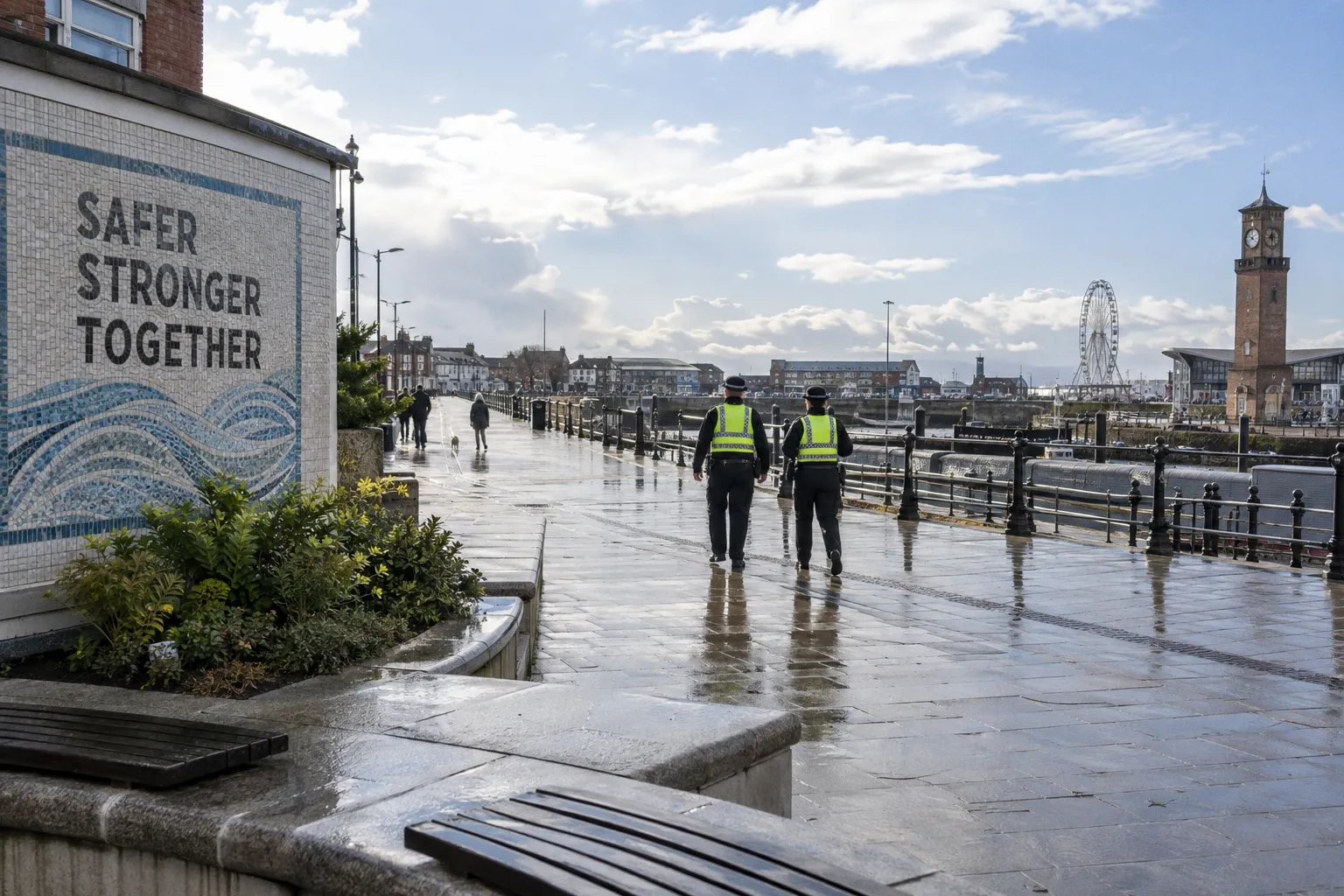
His Majesty's Chief Inspector of Constabulary has released the annual State of Policing report covering England and Wales, and for once the language in the document is worth more than the press release that follows it. The assessment runs the usual gauntlet of police reform, community safety, and service delivery, then pins its hopes on joint leadership work between the inspectorate, the NPCC, and the College of Policing to lift standards and workforce capability. That last phrase — workforce capability — is the one residents tend to feel first, when there is no officer on the beat, or when the officer who does turn up does not know the street.
What the report actually weighs
State of Policing is the yearly stocktake, not a promise. HMICFRS uses it to take the temperature of forces across England and Wales on reform, day-to-day service, and the wider picture of community safety. The 2025–26 edition leans heavily on shared priorities between the inspectorate, the National Police Chiefs' Council, and the College of Policing — the three bodies that between them set the tone for how a force recruits, trains, and is held to account. For an area like ours, where neighbourhood policing has felt thinner year on year, that national conversation about standards and capability is not abstract. It is the question of whether the local officer turns up on time, knows the repeat callers by name, and has the backup to actually close a case.
Reading it through a North East Lincolnshire lens
The inspectorate is not going to single out Grimsby, Cleethorpes, or Immingham in this document, and that is fine. The point of a national report is the framework underneath, and the framework matters here because it shapes the funding pots, the training pipelines, and the priorities that filter down to whoever covers our beat. Watch for the usual tell-tales over the coming months: visible presence on the streets people actually use, community intelligence that flows both ways rather than just outwards, and straight answers at ward-level meetings instead of rehearsed reassurance. If those improve, the report has done something useful. If they do not, it joins the pile of glossy documents residents have heard before.
What residents can actually do
Annual assessments tend to gather dust because they feel like someone else's conversation. They are not. The inspectorate is paid to listen to communities as well as forces, and community intelligence is a two-way street that only works when it is fed. Report what you see through the proper channels, turn up to your local neighbourhood panel, and ask, in plain language, what the force is doing with the workforce it has. That is the part of the State of Policing report that never appears in any chapter — the part residents themselves have to write.