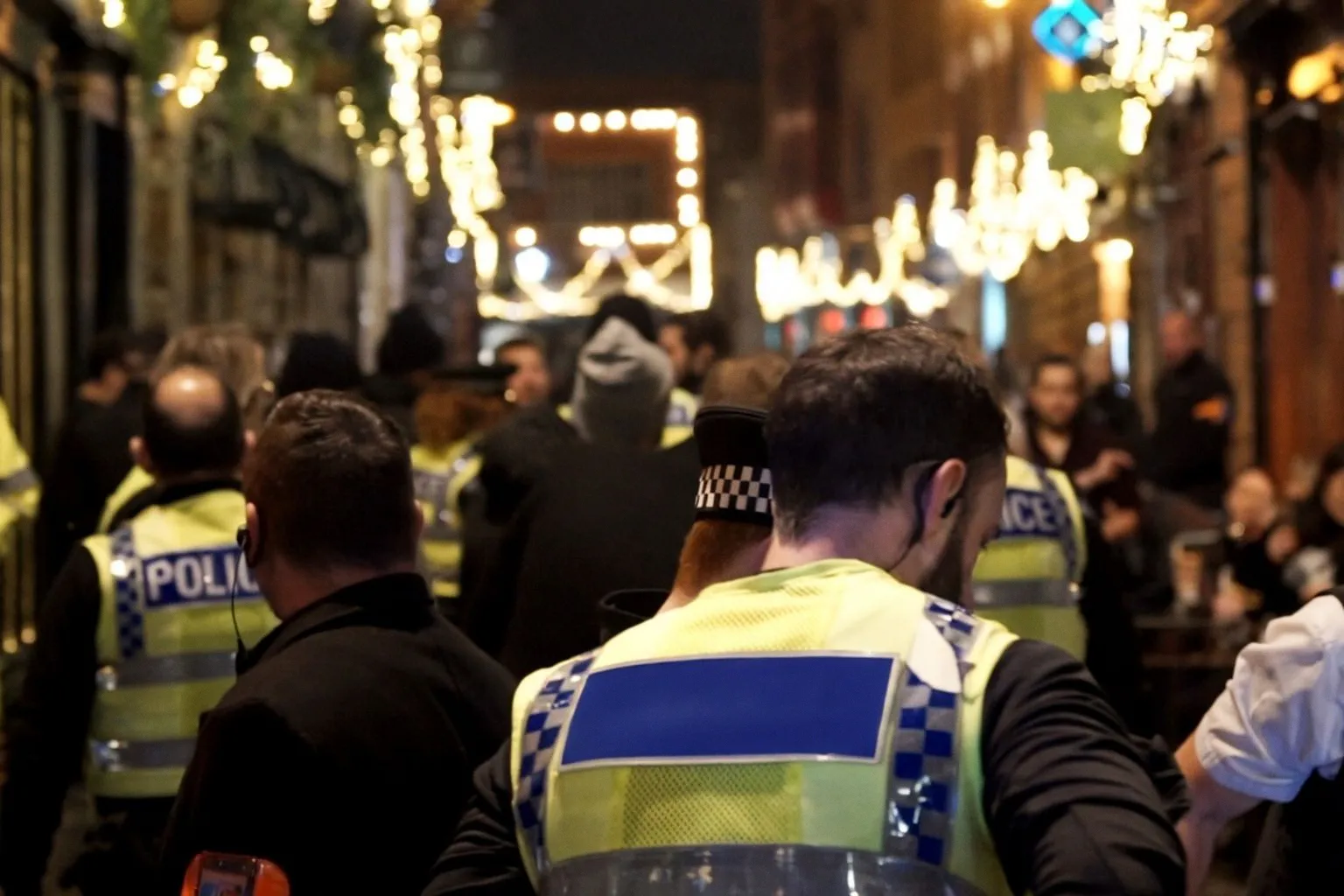
Nottinghamshire Police Launch Operation Nexus to Tackle Town Centre Antisocial Behaviour
It comes in the same week Cleveland Police are running an anti-spiking campaign across Teesside ahead of Freshers' Week, with plans for an antisocial behaviour summit unveiled in Stirling and a public warning about intimidating behaviour in parks issued in Glamorgan. That is a useful backdrop for asking what visible presence on the beat actually looks like in our own area.
What Nottinghamshire is putting on the street
Operation Nexus is built around extra neighbourhood policing officers in identified hotspot locations. The force's published material does not yet spell out officer numbers or name the hotspots — that detail is worth watching for in the next update. What is clear is the target list: violence, retail crime and antisocial behaviour, the trio most often cited by residents when they talk about what makes a town centre feel unsafe after dark.
The wider September pattern
Cleveland Police have been more specific about their September operation. Officers are attending freshers' events throughout the month, handing out anti-spiking bottle stoppers and pint-glass covers, and pointing students toward the Holly Guard personal safety app and the "Ask for Angela" scheme. Pubs in Stockton are receiving anti-spiking beer mats through Pubwatch, with patrols stepped up around licensed premises in Middlesbrough.
Sergeant Glyn Bavin, from Cleveland Police's Licensing Support Unit, put it in plain terms: this is an exciting time for students and young people as they take their next steps at education facilities across our force area, and we want to reassure them that police and our partners take a robust approach to tackling criminal behaviour like spiking. He added that the force's coordinated partnership approach raises awareness, promotes student safety, and increases visibility of reporting and safeguarding initiatives.
Further north, plans for a summit on antisocial behaviour in Stirling have been unveiled, and in Glamorgan officers have warned publicly about intimidating behaviour in parks — a timely reminder that antisocial behaviour is not only a night-time economy problem.
What residents here should ask for
When forces elsewhere publish their playbooks, it gives residents a template to measure their own against. Worth putting to local officers and councillors:
- Which town centre locations in Grimsby, Cleethorpes and Immingham are being treated as hotspots, and what is the visible patrol plan around them on weekend nights?
- Are local licensed venues signed up to schemes like "Ask for Angela", and are door staff trained to spot spiking indicators?
- What is the realistic reporting route when something happens on a night out, and how quickly should a caller expect a response?
- Which Neighbourhood Watch, Shopwatch or Pubwatch channels are officers actually reading, and how often do they feedback?
Spiking, including needle spiking, is a crime that carries up to 10 years in prison. Anyone who suspects they or a friend has been spiked is urged to seek medical help immediately and report it. Straight answers from those tasked with keeping our streets safe are not too much to ask — and residents are the ones who know whether the visible presence on the beat matches the press release. That is the standard every force in the country should be held to.